
Cannabis consumption has come a long way from the days of passing a joint around a campfire. Today, the market offers an impressive — and sometimes overwhelming — variety of ways to experience THC, the psychoactive compound found in cannabis. Among the most popular and fastest-growing categories is THC edibles: food and drink products infused with cannabis that deliver effects through the digestive system rather than the lungs. Whether you're a curious newcomer or a seasoned cannabis user looking to switch things up, understanding how THC edibles work is essential before you take that first bite.
What Are THC Edibles?
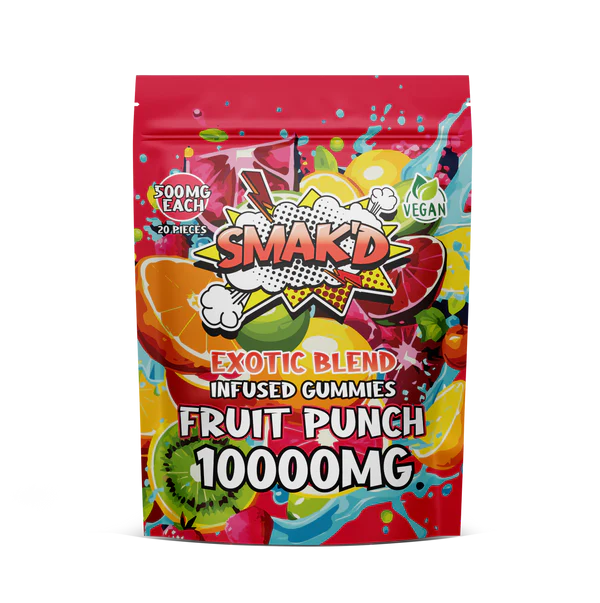
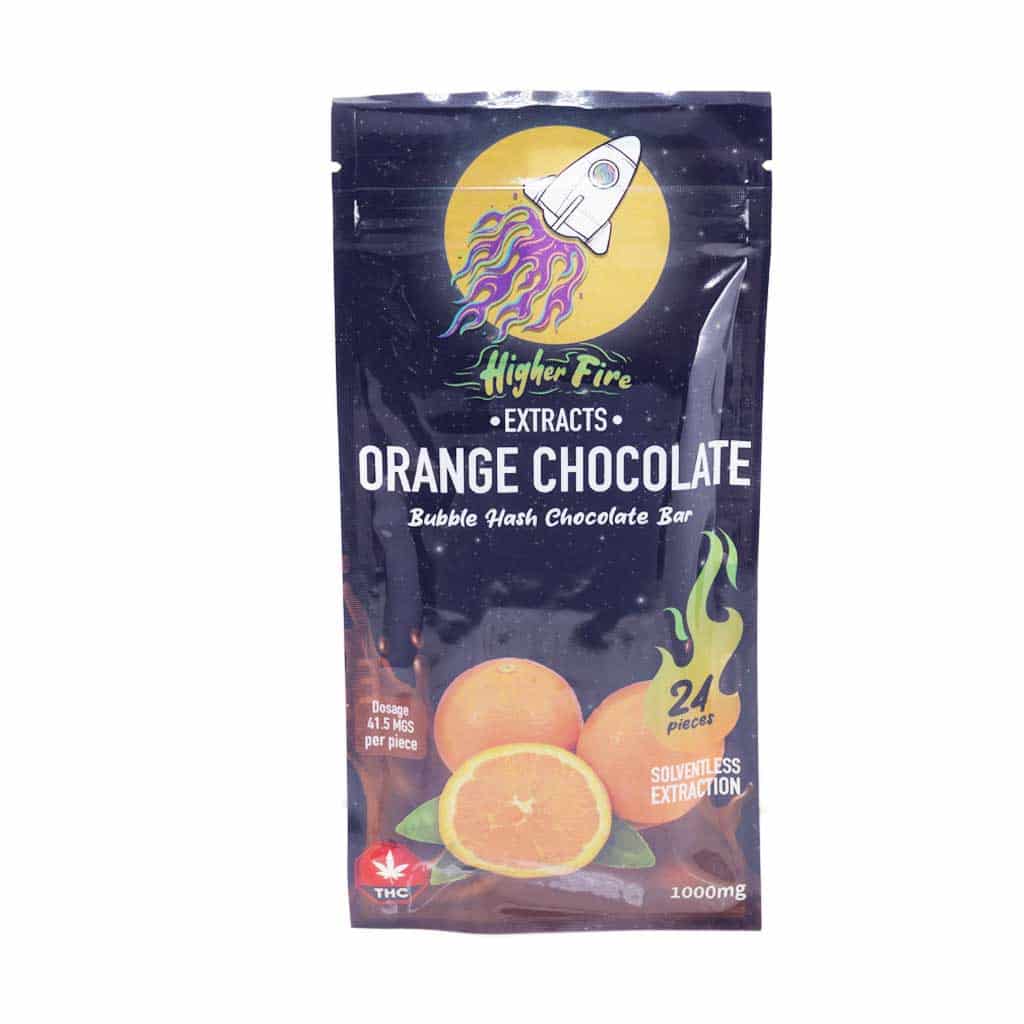
thc edibles are any food or beverage products that have been infused with tetrahydrocannabinol (THC), the primary psychoactive compound in cannabis. The category is incredibly broad. It includes gummies, chocolates, cookies, brownies, hard candies, caramels, beverages, capsules, honey sticks, and even savory snacks like chips and popcorn. In legal cannabis markets, edibles are produced by licensed manufacturers who precisely measure and label the THC content per serving, typically in milligrams.
The appeal is obvious. Edibles are discreet, require no equipment, produce no smoke or vapor, and are available in a wide range of flavors and dosages. For people who have never smoked or who prefer not to inhale anything into their lungs, edibles represent an accessible and comfortable entry point into cannabis.
How Do THC Edibles Work?
This is where edibles fundamentally differ from smoking or vaping — and where many first-time users get into trouble. When you smoke or vape cannabis, THC enters your bloodstream through the lungs almost instantly. The effects are felt within minutes and typically peak within 30 minutes to an hour.
Edibles work entirely differently. When you consume a THC-infused food or drink, the product must first pass through your digestive system. THC is absorbed in the stomach and small intestine, then processed by the liver, where it is converted into a more potent compound called 11-hydroxy-THC. This metabolite crosses the blood-brain barrier more efficiently than THC inhaled through the lungs, which is why edible highs are often described as more intense, more body-focused, and longer-lasting than those from smoking.
The onset time for edibles typically ranges from 30 minutes to 2 hours, depending on your metabolism, body weight, whether you've eaten recently, and the specific product. The effects can last anywhere from 4 to 8 hours — sometimes longer with high doses. This delayed and extended timeline is the number one reason why beginners accidentally overconsume.
Dosing: The Most Important Thing You Need to Know
The cardinal rule of thc edibles : start low, go slow. In legal markets, edibles are labeled with total THC content in milligrams. A standard dose for a beginner is typically considered to be 2.5 to 5 milligrams of THC. Many experienced users find their comfortable range between 10 and 20 milligrams, while high-tolerance consumers may go higher.
The classic mistake is eating a dose, feeling nothing after 45 minutes, and eating more — only to be hit by a powerful wave of effects an hour later when both doses kick in simultaneously. This can lead to an intensely uncomfortable experience, including extreme anxiety, paranoia, dizziness, and nausea. While a THC overdose is not life-threatening, it can be deeply unpleasant and can put first-time users off cannabis entirely.
If you're new to edibles, take a 5mg dose, wait a full two hours before considering any additional consumption, and choose a comfortable, familiar environment for your first experience. Having a trusted friend present is also a smart idea.
Types of THC Edibles and What Sets Them Apart
Not all edibles are created equal. Traditional edibles like baked goods and gummies are fat-soluble, meaning the THC is bound to fats or oils that must be digested before taking effect — hence the longer onset time. Newer nano-emulsified products, particularly cannabis beverages and some premium gummies, use technology to break THC into smaller particles that are water-soluble, resulting in significantly faster absorption — sometimes as quickly as 15 to 30 minutes.
Full-spectrum edibles contain not just THC but also CBD, other minor cannabinoids, and terpenes, which may work together to produce a more balanced and nuanced effect. THC isolate edibles, by contrast, contain only pure THC and tend to produce a more straightforward, potent high.
Legal Considerations
THC edibles are only legal in jurisdictions where cannabis has been legalized for medical or recreational use. In the United States, this varies significantly by state. Purchasing from licensed dispensaries ensures that products are lab-tested, accurately labeled, and free from harmful contaminants. Avoid unregulated or homemade edibles when possible, as dosing can be wildly inconsistent.
The Bottom Line
THC edibles offer a compelling, smoke-free way to experience cannabis — but they demand patience, respect, and a clear understanding of how they differ from other consumption methods. The delayed onset, longer duration, and potentially stronger effects make them both rewarding and risky for the uninformed. Arm yourself with knowledge, start with a conservative dose, and give the experience the time it needs to unfold. When approached thoughtfully, edibles can be one of the most enjoyable and therapeutic ways to explore what cannabis has to offer.